If some rooms feel too hot, too cold, or simply underpowered, the right duct booster fan can help restore more even airflow without a major HVAC overhaul.
Below, we compare 10 of the best options for homes, basements, and targeted ventilation, with choices for different duct sizes, noise limits, and control styles.
Best 10 Duct Booster Fan Picks for 2026
Whole-House Duct Helper
Tjernlund DB-2 275 CFM Booster
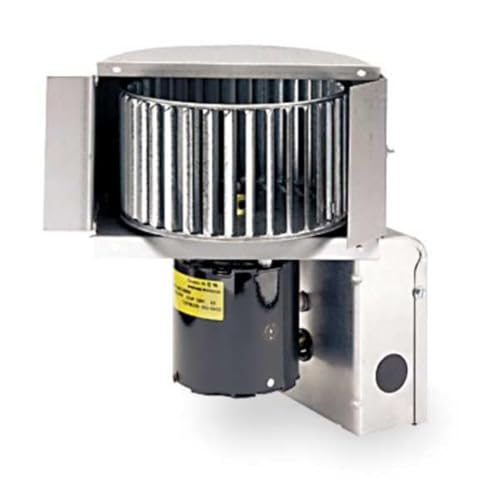
- Fits 5 to 8 inch round ducts
- 275 CFM with 70-watt operation
- Rated to 200F for HVAC use
Best For: Simple airflow support in compatible round or shallow rectangular ducts
Smart Register Boost

- Auto-opens with HVAC activation
- App, remote, and voice control
- Quiet 18 dB operation
Best For: Connected homes with a 4 x 10 inch register opening
High-Airflow Inline Pick

- 345 CFM output from a 6-inch inline fan
- Quiet 32 dB operation
- Stepless speed control with EC motor
Best For: Ventilation and exhaust in a 6-inch duct system
White Smart Register Solution

- Made for 4 x 10 inch openings
- Very quiet at 17 dB
- App and push-button control
Best For: A discreet smart register booster in a white finish
Energy-Smart Inline Booster
6-Inch Variable-Speed Duct Fan

- 345 CFM airflow with 19.2W max power
- Variable speed controller for airflow tuning
- 32 dBA operation for quieter vent boosting
Best For: Homes and utility spaces that need efficient inline airflow support
Smart Vent Balancer

- Fits 4" x 10" vent openings only
- Temperature sensor with programmable LED controller
- 16 dBA noise and 6W power use
Best For: Rooms with uneven heating or cooling from 4" x 10" vents
Auto-Trigger Duct Booster

- Pressure switch enables automatic activation
- 230 CFM airflow with five speed levels
- Flexible inline mounting in any position
Best For: Automatic boosting in 4-inch duct and vent systems
Smart Register Booster Fan
BIOWIND 6" x 10" Quiet Smart Vent

- 18 dBA quiet operation
- Programmable temperature-based control
- Remote with 0-10 speed settings
Best For: Quiet, automatic comfort in rooms with a 6" x 10" vent opening
High-Flow Inline Booster Fan
Hon&Guan 8-Inch 623 CFM Inline Fan

- 623 CFM airflow for strong ventilation
- Variable speed controller included
- 44W power draw with DC motor
Best For: High-airflow inline ventilation in basements, workshops, and grow rooms
Quiet Inline Vent Fan
VEVOR 6-Inch 400 CFM Booster Fan

- 400 CFM airflow for ventilation and dehumidifying
- Quiet 34 dB operation
- Variable speed knob control
Best For: Quieter inline ventilation where moderate airflow and easy setup matter
Whole-House Duct Helper – Tjernlund DB-2 275 CFM Booster
If you need a duct booster fan for a round or shallow rectangular run, the Tjernlund DB-2 is built for basic airflow support in heating and cooling systems. It delivers 275 CFM, uses a pressure switch, and is rated to handle temperatures up to 200F, making it a straightforward option for improving circulation in compatible ducts.
Best For: Homeowners who want a simple inline booster for 5 to 8 inch round ducts or shallow rectangular ducts.
Pros:
- Fits 5 to 8 inch round ducts and rectangular ducts as shallow as 3.25 inches
- 275 CFM airflow with 70-watt operation
- Rated to 200F for heating and cooling applications
- Quiet enough for its class at 45 dB
Cons:
- Single-speed design only
- Basic control setup with no smart features
- Best suited to specific duct sizes, so measuring is important
This is a practical duct booster fan for people who want a direct, no-frills airflow lift rather than advanced controls or app connectivity. If your duct dimensions match, it offers a solid balance of capacity and simplicity.
Smart Register Boost – AC Infinity AIRTAP T4 Bronze
The AC Infinity AIRTAP T4 is a register-style duct booster fan made for 4 x 10 inch openings and designed to respond automatically to HVAC temperature changes. It uses smart controls, a 10-speed range, and whisper-quiet operation to help smooth out hot and cold spots without adding much noise.
Best For: Smart-home users who want an automated register booster for a 4 x 10 inch vent opening.
Pros:
- Automatically opens and runs when HVAC activates, then closes when inactive
- Includes LCD controls, app access, IR remote support, and voice compatibility with Alexa or Google Home
- Quiet operation at 18 dB with 120 CFM airflow
- Designed specifically for 4 x 10 inch duct openings
Cons:
- Only fits 4 x 10 inch openings
- Lower airflow than larger inline fan designs
- Smart features may be more than some buyers need
As a duct booster fan, this model stands out for automation and comfort-focused controls rather than raw airflow. It is a good fit if you want a polished register upgrade that can blend into a connected home setup.
High-Airflow Inline Pick – VIVOSUN P6 6-Inch 345 CFM Fan
The VIVOSUN P6 is a 6-inch inline duct booster fan built for stronger airflow and flexible installation. With up to 345 CFM, a brushless EC motor, and stepless speed control, it is suited to ventilation jobs where you want more output without giving up quiet operation.
Best For: Buyers who need a powerful inline fan for ventilation, exhaust, or air movement in a 6-inch duct setup.
Pros:
- Strong 345 CFM airflow for a 6-inch fan
- Quiet 32 dB operation for its output level
- EC motor aims for efficiency and lower maintenance
- Stepless speed control for fine-tuned adjustment
Cons:
- Designed as an inline fan, so it is not a register-style booster
- Needs a 6-inch duct setup to make sense
- More geared toward ventilation projects than simple room register boosting
This duct booster fan is a strong choice when airflow and control matter more than a compact register format. It makes the most sense for users who want a versatile inline solution for exhausting, ventilating, or moving air through ducting.
White Smart Register Solution – AC Infinity AIRTAP T4 White
The AC Infinity AIRTAP T4 in white is a duct booster fan made for 4 x 10 inch openings and tuned for room comfort. It pairs smart controls with a temperature-responsive register design, giving you a neat option for reducing hot or cold spots while keeping operation very quiet.
Best For: Homeowners who want a white smart register booster for a 4 x 10 inch vent opening.
Pros:
- Automatic register behavior helps boost airflow when HVAC runs
- App control, push-button control, and included remote-friendly operation
- Very quiet at 17 dB with 130 CFM airflow
- White finish suits lighter interiors better than the bronze version
Cons:
- Only fits 4 x 10 inch openings
- 120-volt? spec not listed; buyers should confirm setup details carefully
- Lower airflow than larger inline fan models
If you want a discreet duct booster fan with smart features and a white finish, this model fits the role well. It is best treated as a comfort upgrade for a compatible register rather than a high-volume ventilation fan.
Energy-Smart Inline Booster – 6-Inch Variable-Speed Duct Fan
If you need a duct booster fan for moving more air through HVAC runs, this Hon&Guan 6-inch inline model is built for efficient airflow with low power draw. It offers 345 CFM, a 19.2W maximum consumption, and a variable speed controller, making it a practical pick for spaces where you want stronger circulation without a loud, power-hungry setup.
Best For: Boosting airflow in bathrooms, kitchens, grow rooms, basements, attics, and workshop duct runs.
Pros:
- 345 CFM airflow with a low 19.2W maximum power draw
- Variable speed controller lets you adjust airflow and noise
- 32 dBA noise level keeps operation relatively quiet
- Designed for HVAC airflow boosting in multiple room types
Cons:
- Requires a 6-inch duct setup
- Basic plastic construction may not feel as premium as metal units
This is a strong fit if you want a simple inline duct booster fan focused on efficiency and adjustable performance. The low wattage and included speed control make it especially appealing for users balancing airflow improvement with energy use.
Smart Vent Balancer – 4×10 Register Booster Fan
This duct booster fan is designed to fit a 4″ x 10″ register opening and help balance airflow from wall or floor vents. The BIOWIND smart register booster adds a programmable LED controller, temperature sensing, and remote speed control, so it can automatically support comfort in rooms that run too hot or too cold.
Best For: Improving airflow from 4″ x 10″ vents in bedrooms, living rooms, home offices, and similar spaces.
Pros:
- Automatically turns on and off using a temperature sensor
- Remote control offers 0-10 speed adjustment
- Very quiet at 16 dBA with a 6W power rating
- Compact, plug-and-play install for wall or floor mounting
Cons:
- Fits only 4″ x 10″ duct openings, so measuring is critical
- Limited to register-style openings rather than inline ducting
For rooms that struggle with uneven temperatures, this register-style booster fan offers a convenient and energy-conscious way to improve HVAC delivery. Its smart control features make it especially appealing if you want set-and-forget airflow assistance instead of manual fan adjustments.
Auto-Trigger Duct Booster – 4-Inch Pressure Switch Fan
If you want a duct booster fan that can activate automatically, this AC Infinity 4-inch inline model uses a pressure switch to respond to airflow changes in your ducting. It delivers up to 230 CFM with five speed levels and a PWM-controlled EC motor, making it a solid option for targeted airflow support in ventilation and exhaust setups.
Best For: Automatic airflow boosting in 4-inch ducting and vent systems.
Pros:
- Pressure switch enables automatic activation without manual adjusting
- Five speed levels provide more control over airflow
- 230 CFM airflow for compact inline boosting
- Supports mounting in any position for flexible installation
Cons:
- 60 dBA noise level is higher than quieter register-style options
- Uses 31.44W, so it is not the lowest-power fan here
- Limited to 4-inch duct systems
This is the most automation-friendly pick in the group if you want a fan that reacts to pressure changes rather than relying only on manual control. It is best suited to users who prioritize steady duct support and flexible inline installation over ultra-quiet operation.
Smart Register Booster Fan – BIOWIND 6" x 10" Quiet Smart Vent
If you want a duct booster fan that blends into the room and helps even out hot or cold spots, this BIOWIND register model is built for that job. It fits a 6" x 10" vent opening, uses a programmable LED controller with a temperature sensor, and can automatically turn on or off with your HVAC system.
Best For: Bedrooms, living rooms, and other spaces where you want quieter airflow plus automatic temperature balancing.
Pros:
- Quiet operation rated at 18 dBA with a 6W power draw.
- Programmable controller and temperature sensor help manage room comfort automatically.
- Remote control lets you adjust between 0 and 10 speeds without getting up.
- Compact, flush-looking design with an anodized aluminum frame.
Cons:
- Fits only a 6" x 10" duct opening, so measuring matters.
- Lower airflow than larger inline fans at 200 CFM.
Overall, this is a practical duct booster fan for homeowners who want targeted vent boosting with simple controls and a clean look. It is best when you need quiet, room-by-room comfort rather than maximum airflow.
High-Flow Inline Booster Fan – Hon&Guan 8-Inch 623 CFM Inline Fan
This duct booster fan is built for stronger airflow in spaces that need more serious ventilation. The Hon&Guan 8-inch inline model delivers up to 623 CFM, uses a DC motor, and includes a variable speed controller so you can tune airflow and noise for the job.
Best For: Basements, workshops, grow rooms, bathrooms, and other spaces that need high airflow from an inline setup.
Pros:
- High airflow rating of 623 CFM for demanding ventilation needs.
- Variable speed controller helps balance performance and noise.
- 44W power use keeps it relatively efficient for its output.
- Designed for multiple applications, including attics, kitchens, and basements.
Cons:
- Noise is listed at 45 dBA, so it is not the quietest option here.
- Plastic construction may be less premium than metal-bodied alternatives.
If airflow is the priority, this inline duct booster fan offers the most aggressive ventilation in the group. It makes sense for users who need strong exhaust performance and are comfortable managing speed to match the space.
Quiet Inline Vent Fan – VEVOR 6-Inch 400 CFM Booster Fan
For buyers looking for a duct booster fan that improves circulation without taking over the room, this VEVOR inline fan is a solid middle-ground pick. It pushes 400 CFM, uses a quiet AC motor rated at 34 dB, and comes with a variable speed controller for adjusting airflow as needed.
Best For: Indoor ventilation projects where you want a quieter inline fan with enough airflow for cooling or exhaust support.
Pros:
- 400 CFM airflow is strong enough for broad ventilation and dehumidification.
- 34 dB noise level makes it quieter than many higher-output fans.
- Variable speed control lets you tune airflow for different environments.
- Includes hang-up slings, rubber mats, and straps for installation flexibility.
Cons:
- Airflow is lower than the 8-inch Hon&Guan model if maximum output is the goal.
- Plastic build may not feel as rugged as heavier-duty options.
This duct booster fan is a good fit when you want a balance of airflow, lower noise, and straightforward setup. It is especially appealing for users who need dependable ventilation with adjustable speed rather than peak output.
How We Picked These Duct Booster Fan Options
We focused on airflow rating, fit, noise level, control method, and installation flexibility. A good Duct Booster Fan should match the duct or register size first, then deliver enough airflow to improve the problem area without creating excessive noise or resistance.
We also favored models with practical features like variable speed control, automatic activation, or low-power operation, since those tend to matter most in real homes.
Quick Comparison
Register booster fans are best when you want to improve airflow at a specific vent opening, while inline fans are better when you need to move air through a run of ducting. Smaller register models are usually simpler to install, while higher-CFM inline units suit longer runs or more demanding ventilation needs.
If you are comparing a Duct Booster Fan for comfort, pay attention to both capacity and fit. CFM numbers matter, but only if the fan suits the duct layout and the room’s airflow problem.
Key Buying Factors for a Duct Booster Fan
Size and Fit
Start with the opening dimensions or duct diameter. A fan that does not match the register or duct size will be harder to install and may perform poorly. Check whether the model is intended for floor, wall, or inline placement.
Airflow Capacity
CFM tells you how much air the unit can move. Lower-CFM register boosters can help balance a single room, while higher-CFM inline models are better for stronger air-moving needs. More airflow is not always better if the system becomes noisy or unbalanced.
Noise and Control
Noise matters in bedrooms, offices, and living spaces. Look for speed controllers, smart controls, or pressure-based automatic activation if you want more consistent comfort with less manual adjustment.
Power Use and Installation
Low-wattage fans can run more efficiently over time, especially if they are used often. Also consider wiring, access to outlets, and whether the installation needs simple mounting or more involved duct integration.
Who Should Buy Which Duct Booster Fan?
Choose a register-style booster if you want a targeted fix for one weak vent and prefer a simpler install. Choose an inline Duct Booster Fan if you need to support a longer duct run, exhaust air, or improve airflow in a more demanding setup.
If quiet operation is your priority, look for lower-noise models with adjustable speed. If you want hands-off operation, an automatic or pressure-switch model can be the most convenient choice. For the best overall fit, match the fan style to the problem first, then compare airflow, noise, and controls.