If some rooms in your home never seem to get enough heating or cooling, the right booster fan can make a noticeable difference. Duct booster fans can help push conditioned air farther through longer runs, tight layouts, and underperforming vents.
Below, we’ve rounded up 10 options for different vent sizes, airflow needs, and noise preferences so you can choose a model that fits your space and HVAC setup.
Best 10 Duct Booster Fans for Small Homes Picks for 2026
Ducted Heating Boost
Tjernlund DB-2 Duct Booster Fan
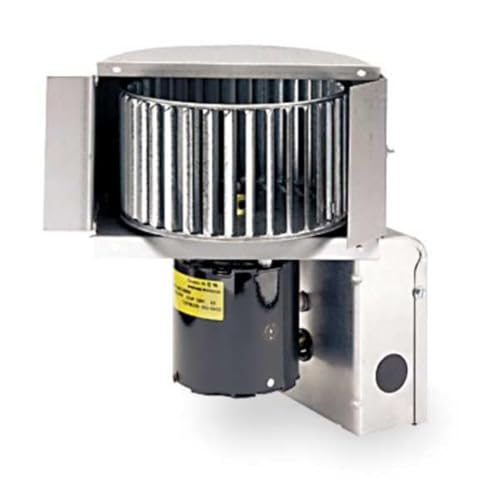
- Fits 5–8 inch round duct and shallow rectangular duct
- 275 CFM airflow with 45 dB noise rating
- Rated to 200°F and UL listed
Best For: Simple in-duct airflow boosting in small HVAC runs
Smart Register Control
AC Infinity AIRTAP T4 Bronze Booster Fan

- Fits only 4 x 10 inch register openings
- 18 dB operation with 10 speeds
- App, remote, and voice control supported
Best For: Smart, quiet airflow balancing for 4 x 10 registers
Inline Ventilation Pick

- Compact 4-inch inline fan with 130 CFM airflow
- Quiet 26 dB(A) operation
- Stepless speed control and EC motor efficiency
Best For: Compact exhaust and ventilation tasks in tight spaces
Quiet Room Balancer
VELLEE 6 x 10 Register Booster Fan

- Fits 6 x 10 inch duct openings with plug-in power
- Up to 200 CFM and as low as 18 dBA
- Automatic temperature-based start/stop with 10 speeds
Best For: Quiet airflow support for larger register openings
Automatic Inline Booster Fan
AC Infinity 4" Pressure-Switch Inline Fan

- Automatic pressure switch activates with pressure changes
- Five speed levels with PWM-controlled EC motor
- 4-inch inline fan for boosting duct airflow
Best For: small homes with 4-inch duct runs needing automatic airflow boosting
Quiet Register Booster Fan
BIOWIND 4x12 Smart Register Fan

- Fits 4" x 12" wall or floor vent openings
- Quiet 16 dBA operation with 140 CFM airflow
- Remote control and temperature sensor for automatic use
Best For: quiet room-by-room airflow support in small homes with 4x12 vents
Low-Power Inline Booster Fan
Hon&Guan 4" Speed-Control Inline Fan

- 6W power draw for efficient ventilation
- 130 CFM airflow with 26 dBA noise level
- Variable speed controller for airflow tuning
Best For: energy-efficient inline boosting in small homes
Compact Inline Booster
iPower 4-Inch 100 CFM Duct Fan

- Compact 4-inch fan for tight installations
- 100 CFM with under-40 dB quiet operation
- Good for exhaust or intake support in small spaces
Best For: Tight-space ventilation in bathrooms, kitchens, basements, attics, and similar small-home areas
Quiet Register Booster

- Made for standard 4 x 10 register openings
- 10 speeds plus remote control for easy adjustments
- Brushless motor runs below 18 dB
Best For: Small homes with 4 x 10 registers that need quiet, adjustable airflow support
Ducted Heating Boost – Tjernlund DB-2 Duct Booster Fan
If you need duct booster fans for small homes, the Tjernlund DB-2 is built for boosting airflow in round or shallow rectangular duct runs without a lot of extra complexity. It’s a fixed-speed in-duct fan aimed at improving heating and cooling movement through 5 to 8 inch round duct and rectangular duct as shallow as 3.25 inches.
Best For: Homeowners who want a simple in-duct booster for small HVAC runs, especially where round duct size or shallow rectangular duct depth matters.
Pros:
- Fits 5 to 8 inch round duct and rectangular duct as shallow as 3.25 inches
- Rated for up to 200°F, which suits heating and cooling airflow use
- 275 CFM airflow with a 45 dB noise rating
- Compact, 4-pound design with UL certification
Cons:
- Only one speed, so there’s no fine airflow tuning
- Requires in-duct installation rather than simple register placement
- No modern app or remote controls
The DB-2 makes sense when you want a straightforward duct booster that focuses on fit and airflow rather than smart features. It is best suited to homeowners who already know their duct dimensions and want a durable, no-frills solution.
Smart Register Control – AC Infinity AIRTAP T4 Bronze Booster Fan
For duct booster fans for small homes, the AC Infinity AIRTAP T4 is a register booster made for 4 x 10 inch openings and aimed at evening out room comfort. It automatically responds to HVAC temperature changes, opens when the system runs, and closes when idle to help keep airflow focused where it’s needed.
Best For: Rooms with 4 x 10 register openings where smart automation and quiet airflow are more important than raw output.
Pros:
- Designed exclusively for 4 x 10 inch duct openings
- Automatic vent opening and closing helps block dust and debris when off
- Very quiet at 18 dB with 10 speed levels
- Includes LCD controls, IR remote, and app/Alexa/Google Home support
Cons:
- Only fits 4 x 10 inch openings
- Lower airflow at 120 CFM than some larger duct boosters
- Surface-mounted design may not suit every trim or vent setup
This model stands out if you want a register booster that feels more like a smart home accessory than a basic fan. Its strength is convenience and quiet room-level balancing, not maximum airflow.
Inline Ventilation Pick – VIVOSUN P4 4 Inch Inline Fan
If your search for duct booster fans for small homes includes bathrooms, basements, or other tight spaces, the VIVOSUN P4 is a compact inline option with strong ventilation focus. It delivers up to 130 CFM, uses an upgraded EC motor, and is built for wall, ceiling, or inline duct mounting.
Best For: Small-space exhaust and circulation jobs where a compact inline fan with low noise and adjustable speed is more useful than a register booster.
Pros:
- 130 CFM airflow from a compact 4-inch inline design
- Quiet operation at 26 dB(A)
- Stepless speed control for fine airflow adjustment
- EC motor aims for efficiency, lower energy use, and longer service life
Cons:
- Not a register booster fan; it’s an inline exhaust fan
- Lower airflow than some larger duct booster models
- Best suited to ventilation/exhaust tasks rather than room-by-room comfort balancing
This is the right pick if you need a small, flexible inline fan rather than a vent cover booster. It’s practical for targeted airflow projects where quiet operation and speed control matter.
Quiet Room Balancer – VELLEE 6 x 10 Register Booster Fan
The VELLEE Register Booster Fan is built for homeowners looking at duct booster fans for small homes and wanting a quiet way to improve airflow from a 6 x 10 opening. It uses a temperature sensor and smart chip to start and stop automatically, with 10 adjustable speed levels and a plug-in design that keeps installation simple.
Best For: Larger register openings where quiet operation, automatic temperature response, and easy plug-in setup are priorities.
Pros:
- Made for 6 x 10 inch duct openings with a large face size
- Automatic start/stop based on temperature settings
- Up to 200 CFM airflow with noise as low as 18 dBA
- 10 speed levels and a 12-foot cord with wall adapter included
Cons:
- Must be plugged into an outlet
- Only works if the duct opening size and neck clearance are compatible
- Performance depends on how well the home’s ducts are sealed and insulated
This model is a strong fit when you want a quieter register booster that is easier to operate than more manual options. Just be careful to measure the duct opening, not the vent cover, before buying.
Automatic Inline Booster Fan – AC Infinity 4" Pressure-Switch Inline Fan
If you need duct booster fans for small homes that can help push heated or cooled air through tight runs, this AC Infinity inline model is built for that job. Its 4-inch duct size, automatic pressure switch, and five speed levels make it a practical pick for improving airflow without constant manual adjustments.
Best For: Small-home duct runs where automatic airflow boosting and flexible mounting matter.
Pros:
- Automatic pressure switch turns the fan on by detecting pressure changes.
- Five speed levels with a PWM-controlled EC motor for more precise airflow control.
- 4-inch inline design is meant for boosting airflow in ducting and vent systems.
- Dual ball bearings and 60 dBA noise rating support dependable everyday use.
Cons:
- At 60 dBA, it is not the quietest option in this group.
- Inline installation may be less convenient than a simple register fan.
- Best suited to 4-inch ducting, so sizing has to match your setup.
This is a strong fit if you want automated airflow support in a compact HVAC layout and prefer a model designed to react to pressure changes rather than requiring constant adjustment. It is especially useful when you want targeted heating or cooling delivery through existing ductwork.
Quiet Register Booster Fan – BIOWIND 4×12 Smart Register Fan
For duct booster fans for small homes, this BIOWIND register booster fan is aimed at rooms that need more balanced heating or cooling from wall or floor vents. It fits a 4″ x 12″ opening, uses a temperature sensor with programmable control, and is designed to run quietly while helping move remaining conditioned air into the room.
Best For: Bedrooms, living rooms, and other rooms with a 4″ x 12″ vent opening that need quieter automatic airflow help.
Pros:
- Very low 16 dBA noise rating for quiet operation.
- Programmable LED controller and high-precision temperature sensor automate on/off behavior.
- Remote control with 10 speed levels for easy adjustment.
- Compact, plug-and-play design includes a wall adapter for quick setup.
Cons:
- Only fits 4″ x 12″ duct openings, so measuring is essential.
- Not an inline fan; it is made for wall or floor register use.
- 140 CFM airflow is solid, but not the highest in this roundup.
This is a good choice when comfort and quiet matter more than raw airflow. If your small home has the right vent opening, it offers an easy way to smooth out temperature differences without adding much noise or complexity.
Low-Power Inline Booster Fan – Hon&Guan 4" Speed-Control Inline Fan
If you are comparing duct booster fans for small homes and want a simple inline option, this Hon&Guan 4-inch fan focuses on low power use and adjustable airflow. It delivers 130 CFM with a 6W motor, making it a practical choice for boosting ventilation in compact HVAC setups, bathrooms, basements, or similar spaces.
Best For: Small homes that need an energy-efficient 4-inch inline booster fan with basic speed control.
Pros:
- Very low 6W power consumption for energy-conscious operation.
- Variable speed controller lets you adjust airflow and noise.
- Compact 4-inch inline design fits a range of ventilation uses.
- 26 dBA noise level is relatively quiet for a duct fan.
Cons:
- 130 CFM airflow is lower than some alternatives.
- Only three power levels, so control is more limited than 5- or 10-speed models.
- Inline installation may require more setup than a register-style booster.
This model makes sense if your main priorities are efficiency and straightforward control rather than maximum output. It is a balanced option for small homes where you want quieter supplemental airflow without adding much energy use.
Smart Register Booster Fan – AC Infinity AIRTAP T6 for 6×12 Openings
If you’re comparing duct booster fans for small homes, the AC Infinity AIRTAP T6 stands out for rooms that need more even airflow without a lot of noise. It’s designed for 6 x 12 in. register openings and automatically reacts to HVAC temperature changes to help reduce hot and cold spots.
Best For: Small homes with 6 x 12 register openings that need smart, quiet airflow control.
Pros:
- Automatically opens when HVAC runs and closes when inactive to help block dust and debris.
- LCD controller shows room temperature and supports customizable triggers, speeds, and timers.
- Compatible with IR remote, Alexa, Google Home, and app-based alerts and automations.
- Whisper-quiet design with dual-ball bearing fans and a high-static-pressure build.
Cons:
- Only fits 6 x 12 in. duct openings, so sizing must be checked first.
- More advanced than a basic booster fan if you only want simple manual operation.
Overall, this is a strong pick if you want a more automated register fan that blends comfort control with smart-home convenience. Its best value comes from fine-tuning airflow in specific rooms rather than trying to replace a full HVAC solution.
Compact Inline Booster – iPower 4-Inch 100 CFM Duct Fan
For small homes that need a simple inline helper, this iPower model is a compact duct booster fan for improving exhaust or fresh-air movement in tight spaces. With a 4-inch size, 100 CFM airflow, and a lightweight body, it’s built for practical installs where space is limited.
Best For: Tight-space ventilation in bathrooms, kitchens, basements, attics, and similar small-home areas.
Pros:
- Compact 4-inch form factor fits small spaces and narrow runs.
- 100 CFM airflow with a quiet operation rating under 40 dB.
- Permanently lubricated bearing is designed for low-maintenance use.
- 5.5-foot grounded cord helps with flexible placement and installation.
Cons:
- Single-speed design offers less control than adjustable register fans.
- Best suited to exhaust or intake support, not smart room-by-room control.
This is a straightforward utility fan for buyers who want a compact duct booster rather than a feature-heavy smart register unit. It makes the most sense where space is tight and reliable airflow matters more than automation.
Quiet Register Booster – AGPTEK 4 x 10 Vent Fan
This AGPTEK model is a good fit if you’re shopping for duct booster fans for small homes and want a compact register fan with flexible controls. It’s made for 4 x 10 ventilation openings, offers 10 speeds, and is designed to move air quietly while syncing with your HVAC system.
Best For: Small homes with 4 x 10 registers that need quiet, adjustable airflow support.
Pros:
- Fits standard 4 x 10 vent openings.
- 10 speed settings and remote control make it easy to tune airflow.
- Brushless motor is rated below 18 dB for very quiet operation.
- Plug-and-play setup with a 12-foot cord and included adapter.
Cons:
- Only works with 4 x 10 openings, so sizing is important.
- Aroma pad feature is included in the design, but pads and oils are not supplied.
For buyers who want a quiet, budget-conscious register booster with more manual control than basic models, this is an appealing option. Its strengths are convenience, flexibility, and a design aimed at everyday room comfort.
How We Picked These Duct Booster Fans for Small Homes
We focused on airflow rating, fit for common register and inline duct sizes, noise level, power use, and control options that make sense for smaller living spaces. For Duct Booster Fans for Small Homes, the best choices are usually the ones that improve circulation without creating distracting sound or adding unnecessary complexity.
We also looked for models that are practical for real-world installs: common opening sizes, straightforward controls, and options that work well in bedrooms, bonus rooms, home offices, and other problem areas.
Quick Comparison
Register-style booster fans are a good match when you want to improve airflow at a specific floor or wall vent. Inline duct fans are better when you need to move air through a section of ductwork or support a longer run. If your main concern is ease of installation, start with a register fan sized to your vent. If you need more flexible airflow support, choose an inline option with the right duct diameter and control method.
Key Buying Factors for Duct Booster Fans for Small Homes
Vent Size and Compatibility
Check the exact register or duct opening before buying. A fan that does not fit properly can leak air, vibrate, or fail to deliver the boost you want.
Airflow and Room Size
Higher CFM can help larger or more restrictive runs, but more airflow is not always better in a small home. Match the fan’s output to the room size and the problem you are trying to solve.
Noise Level
Because small homes concentrate sound, quiet operation matters. Look for models designed for low-noise use if the fan will run in a bedroom, nursery, or living area.
Control Options
Manual speed controls, automatic pressure switches, and smart features each solve different problems. Automatic control can be convenient, while simple speed adjustment is often best for easy tuning.
Power and Efficiency
Lower-wattage fans can be a smart choice when you plan to run them often. Efficiency matters in homes where comfort upgrades need to stay affordable over time.
Who Should Buy Which Duct Booster Fans for Small Homes?
Choose a register booster fan if you want a simple fix for one weak vent. Choose an inline fan if your airflow issue comes from the duct path itself or you need more flexible placement. Homeowners with bedrooms or offices should prioritize quiet models, while those balancing multiple rooms may prefer automatic or speed-controlled designs.
If you are comparing Duct Booster Fans for Small Homes, the best option is usually the one that matches your vent size, solves the specific airflow problem, and stays quiet enough for daily use.