Portable reverse osmosis systems make it easier to produce filtered water without installing an under-sink unit or modifying your plumbing. These countertop models are designed for renters, apartments, offices, RVs, and kitchens where convenience matters.
Our roundup compares 10 options by filtration approach, portability, water capacity, dispensing features, maintenance needs, and overall usability. Use the guide below to narrow the list based on your space, water habits, and budget.
Best 10 Portable Reverse Osmosis Systems Picks for 2026
Best Emergency-Ready Option
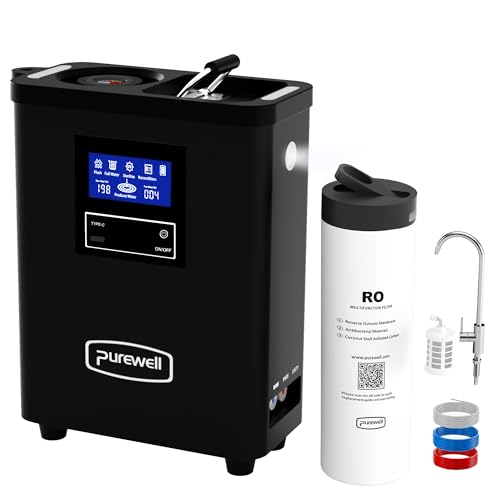
- Rechargeable battery with 6.5-hour runtime
- Dual UV lamps and TDS monitoring
- Carry bag and emergency lighting included
Best For: Camping, RV travel, and power outages
Best Battery-Powered Travel Pick

- Battery-powered RO and UV purification
- Dual TDS monitoring and self-cleaning
- Emergency lighting for outdoor use
Best For: Off-grid travel, camping, RVs, and emergency prep
Best Mineral-Tasting Pick

- Adds minerals for a smoother-tasting drink
- Installation-free with an autofill glass pitcher
- 3:1 pure-to-drain ratio and 12-month filter life
Best For: One or two people who want mineralized RO water
Best Smart Self-Cleaning Option
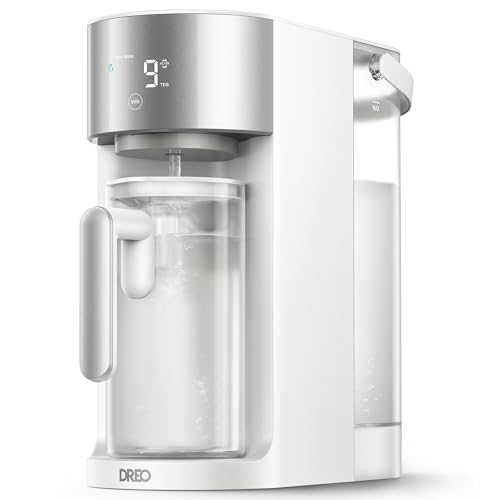
- Real-time raw and filtered TDS monitoring
- Auto-fill pitcher and self-cleaning system
- Slim footprint with a 3:1 pure-to-drain ratio
Best For: One or two people who prioritize automation
Best Glass-Carafe Value

- Uses a high-borosilicate-glass carafe
- No plumbing or installation required
- Smart display with 3:1 filtered-to-waste ratio
Best For: One or two people who prefer glass dispensing
Best All-Around Choice
DREO 7-Stage Countertop RO System

- 7-stage filtration with up to 99.9% contaminant reduction
- 3:1 pure-to-drain ratio
- Two autofill pitchers and built-in TDS monitoring
Best For: Convenient countertop purification with automated pitcher filling
Best Heavy-Duty Pick
Bluevua RO100ROPOT Countertop System

- Five-stage filtration with remineralization
- Borosilicate glass carafe
- 2:1 pure-to-drain ratio and standby mode
Best For: Renters and glass-carafe enthusiasts seeking simple setup
Best UV-Enhanced Option
Bluevua RO100ROPOT-UV 6-Stage System
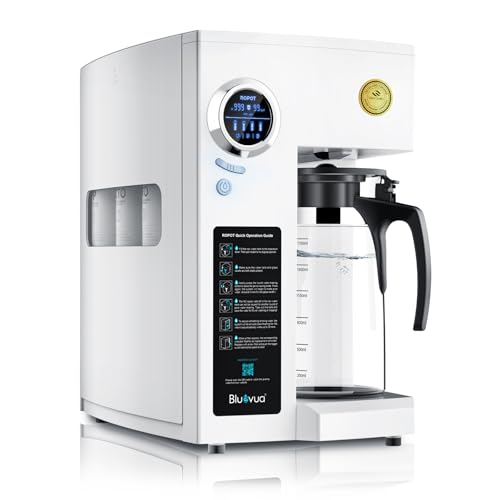
- Six-stage filtration with UV light
- Remineralization and borosilicate glass carafe
- 2:1 pure-to-drain ratio with monitoring
Best For: Countertop users wanting UV-enhanced, remineralized filtration
Best Travel Pick – Bluevua ROPOT-Travel
For shoppers comparing portable reverse osmosis systems, the Bluevua ROPOT-Travel stands out as a compact, plug-and-play countertop option. Its six-stage filtration combines reverse osmosis with UV treatment, and the included glass bottle makes it practical for home, office, travel, or camping use.
Best For: Travelers, renters, dorm residents, and anyone wanting a compact countertop purifier without plumbing.
Pros:
- Six-stage filtration with UV treatment and a 0.0001-micron RO membrane.
- Compact 10 x 5 x 13.5-inch design with a stainless steel carrying handle.
- Includes a high-borosilicate glass bottle and delivers a claimed 3:1 filtered-to-waste ratio.
- Self-cleaning, filter-life alerts, and quick twist-and-lock filter replacement.
Cons:
- Requires a power outlet, so it is not a fully off-grid purifier.
- Dispenses an 18-ounce serving at a time and does not indicate hot or cold-water dispensing.
The Bluevua is a strong everyday choice when portability, simple setup, and reduced plastic-bottle use matter most. Its included bottle and compact footprint make it especially convenient for temporary living spaces and travel.
Best Emergency-Ready Option – Purewell K8680/P01
Among portable reverse osmosis systems, the Purewell K8680/P01 is designed for outdoor and emergency use. It combines a 0.0001-micron RO membrane and dual UV lamps with a rechargeable battery, TDS monitoring, lighting, and a carry bag for camping, RV trips, or power outages.
Best For: Campers, RV travelers, emergency-prep kits, and outdoor groups needing battery-powered purification for fresh or brackish water.
Pros:
- Battery-powered design can run for up to 6.5 hours and includes a 54W charger.
- Dual TDS displays and a 0.0001-micron RO membrane support water-quality monitoring.
- Fills a 2.1-liter bottle in about three minutes and offers USB-C reverse charging.
- Includes self-cleaning, energy-saving standby, emergency lighting, and a storage bag.
Cons:
- Designed for fresh or brackish water, not ocean seawater.
- Its supported source-water TDS limit is listed as 300 ppm.
- Requires replacement PP pre-filter and RO components as filters reach the end of their service life.
The Purewell is more specialized than a typical countertop purifier, but its battery, monitoring, lighting, and carry case make it a practical preparedness tool. Choose it when off-grid flexibility is more important than the simplicity of a plug-in home unit.
Best High-Capacity Countertop Pick – SimPure Y7P-BW
The SimPure Y7P-BW is a larger countertop choice for shoppers who want portable reverse osmosis systems without installing an under-sink unit. Its five-stage RO and UV setup requires no plumbing, supports source water up to 500 ppm TDS, and dispenses room-temperature purified water quickly.
Best For: Homes, apartments, offices, RVs, and other spaces that need frequent access to countertop purified water.
Pros:
- Five-stage filtration with 0.0001-micron RO treatment and UV purification.
- 418 GPD flow rate can dispense a cup in approximately 15 seconds.
- Claimed 4:1 pure-to-drain ratio helps limit water waste.
- Quick-change filters provide up to 528 gallons of stated capacity.
Cons:
- Its 17.3 x 7.5 x 17-inch footprint is less compact than travel-focused models.
- It dispenses room-temperature water only; hot and cold dispensing are not provided.
- Filter life is listed as six months, depending on use and water conditions.
The Y7P-BW makes the most sense for users who value capacity and fast dispensing over maximum portability. It is still installation-free, but its taller countertop body is better suited to a permanent spot than a suitcase.
Best Battery-Powered Travel Pick – Purewell K8680
For portable reverse osmosis systems intended for locations without dependable outlets, this Purewell K8680 model offers a battery-powered format with RO and UV purification. Its aluminum-alloy construction, dual TDS display, self-cleaning cycle, and emergency-light features suit camping, RV travel, and backup water preparation.
Best For: Off-grid travelers and households preparing for camping trips, vehicle-based travel, or outages.
Pros:
- Battery-powered operation supports use away from standard outlets.
- Combines a 0.0001-micron RO membrane with dual UV lamps.
- Provides TDS monitoring, automatic self-cleaning, and energy-saving standby.
- Includes emergency lighting features and a durable metal-accented body.
Cons:
- Intended for fresh or brackish water rather than ocean seawater.
- Filter replacement is part of ongoing maintenance, with filter life dependent on water quality and use.
- The product is designed around outdoor and emergency use, so it may offer more features than needed for ordinary countertop use.
This K8680 configuration is a useful choice when portability means battery operation rather than simply a smaller countertop footprint. Its monitoring and emergency features add value for preparedness, while the RO and UV stages target everyday water-treatment concerns.
Best Mineral-Tasting Pick – Waterdrop C2SL Countertop RO
For shoppers comparing portable reverse osmosis systems, the Waterdrop C2SL stands out with a mineral filter, installation-free countertop setup, and an autofill glass pitcher. Its seven-stage filtration uses a 0.0001 μm RO membrane, while the compact design is sized for one or two people.
Best For: Households that want countertop RO filtration with added minerals and a refrigerator-ready glass pitcher.
Pros:
- Mineral filter adds calcium, magnesium, potassium, and sodium for a smoother taste.
- Requires no plumbing, drilling, or faucet connection; fill the 108-ounce tank and plug it in.
- Smart display, voice alerts, and voice-guided setup simplify operation.
- Provides a 3:1 pure-to-drain ratio and up to 528 gallons or 12 months of filter life.
Cons:
- The 40-ounce pitcher and 108-ounce feed tank are better suited to one or two people than larger households.
- Actual filter life varies with water quality and usage.
- It requires a power outlet and has a corded-electric design.
The C2SL is a practical choice when taste and convenience matter as much as contaminant reduction. Its mineral stage and autofill pitcher add useful everyday features, though capacity may feel limited for higher-volume use.
Best Smart Self-Cleaning Option – DREO RO Water Filter 112
The DREO RO Water Filter 112 is one of the more feature-focused portable reverse osmosis systems, pairing seven-in-one filtration with real-time TDS monitoring, autofill, and self-cleaning. Its slim countertop footprint and 3-liter tank are designed for daily use by one or two people.
Best For: Users who want automatic pitcher refills, filter reminders, and a self-cleaning countertop RO system.
Pros:
- SGS-tested filtration is described as reducing 99.9% of possible contaminants, including PFOA, PFOS, chlorine, and fluoride.
- Displays raw- and filtered-water TDS in real time and provides filter-change reminders.
- Auto-fill sensor and self-cleaning tube flushing reduce routine effort.
- Offers a 3:1 pure-to-drain ratio and twist-in filter replacement.
Cons:
- The filter is rated for 265 gallons (1,000 liters), shorter than some systems with annual capacity ratings.
- The 3-liter tank and 1.1-liter pitcher are intended for one or two people.
- Its 9.5-pound body and corded countertop format are less convenient for frequent moving.
DREO emphasizes automation more than minimalist operation. The live TDS readout, self-cleaning cycle, and hands-free pitcher refill make it appealing for users who prefer visible feedback and reduced maintenance.
Best Glass-Carafe Value – Bluevua RO100ROPOT-Lite
The Bluevua RO100ROPOT-Lite is a compact option for shoppers seeking portable reverse osmosis systems without plumbing installation. It uses a five-stage filter, dispenses into a high-borosilicate-glass carafe, and includes a smart display for filter status and water-quality monitoring.
Best For: One or two people who prefer a glass carafe and simple countertop filtration with annual filter replacement.
Pros:
- Plug-in countertop design requires no installation or plumbing.
- High-borosilicate-glass carafe avoids dispensing into a plastic container.
- Smart display tracks filter life, water quality, and selected dispensing volume.
- Produces water in less than three minutes and uses a stated 3:1 filtered-to-waste ratio.
Cons:
- The 0.26-liter-per-minute maximum flow rate may feel slow for larger fills.
- The compact system is specified for one or two people, limiting high-volume use.
- Its 12-liter listed capacity and 5-kilogram weight may require more counter space than smaller pitchers.
The ROPOT-Lite makes a strong case for shoppers who value a glass serving vessel and straightforward yearly maintenance. Its display and automatic dispensing add convenience, while the countertop format avoids a permanent installation.
Best All-Around Choice – DREO 7-Stage Countertop RO System
The DREO is a practical pick for shoppers comparing portable reverse osmosis systems with a compact, installation-free design. Its seven-stage filtration, built-in TDS monitoring, self-cleaning function, and two autofill pitchers make it convenient for everyday countertop use.
Best For: Households wanting automated filling, detailed water monitoring, and a high filtration-to-drain ratio.
Pros:
- Filters up to 99.9% of possible contaminants, including PFOA, PFOS, chlorine, and fluoride.
- Offers a 3:1 pure-to-drain ratio to help reduce water waste.
- Includes two autofill pitchers, touch controls, a TDS meter, and a filter-change indicator.
- Requires no plumbing and has a self-cleaning function.
Cons:
- Its 5-liter capacity is smaller than some larger countertop systems.
- At 10.8 pounds, it is portable but not especially lightweight.
Choose the DREO if convenience features matter as much as filtration performance. Its pitcher automation and 3:1 ratio help distinguish it from many basic portable reverse osmosis systems, though its countertop footprint and capacity should suit your available space and daily demand.
Best Heavy-Duty Pick – Bluevua RO100ROPOT Countertop System
The Bluevua RO100ROPOT is one of the more straightforward portable reverse osmosis systems for renters or anyone avoiding plumbing work. It plugs in on the countertop, uses a borosilicate glass carafe, and combines five-stage filtration with remineralization for a balanced drinking-water profile.
Best For: Users who prefer a glass carafe, low-maintenance operation, and a two-year filter-life monitor.
Pros:
- Needs no installation or plumbing; simply fill and plug it in.
- Uses five-stage filtration with a remineralization filter and claims 99.9% reduction of possible contaminants.
- Provides a 2:1 pure-to-drain ratio and automatic power-saving standby mode.
- Includes a glass carafe and filter-life and water-quality monitoring.
Cons:
- Its maximum flow rate is 0.26 liters per minute.
- The glass carafe may require more careful handling than a plastic container.
This model is a sensible fit when material quality and simple setup are priorities. The glass carafe and remineralization stage add appeal, while the 2:1 ratio is less water-efficient than the DREO model in this roundup.
Best UV-Enhanced Option – Bluevua RO100ROPOT-UV 6-Stage System
The Bluevua RO100ROPOT-UV adds UV light to a six-stage reverse osmosis design, making it a strong option among portable reverse osmosis systems for shoppers who want an extra treatment stage without installing an under-sink unit. It also includes remineralization, a glass carafe, and built-in monitoring.
Best For: Users seeking UV-enhanced filtration, remineralization, and a no-plumbing countertop setup.
Pros:
- Combines six-stage filtration, a 0.0001 μm RO membrane, UV light, and remineralization.
- Reduces TDS and listed contaminants such as PFOA, PFOS, chlorine, fluoride, arsenic, and lead.
- Uses a borosilicate glass carafe and requires no plumbing or installation.
- Offers a 2:1 pure-to-drain ratio, power-saving standby, and filter-life monitoring.
Cons:
- Its listed 1,700 ml capacity is relatively modest.
- At 17.8 pounds, it is the heaviest of these three systems.
- The stated maximum supported feed-water TDS is 500 ppm.
The UV model makes sense if you specifically value an added UV stage and remineralized output. Its glass construction and feature set are appealing, but the heavier body and smaller listed capacity may matter for users who need frequent refills or easy relocation.
How We Picked the Best Portable Reverse Osmosis Systems
We focused on countertop systems that can operate with minimal installation and are practical for everyday use. Our evaluation criteria included filtration stages, reverse osmosis performance, contaminant-reduction claims, tank and pitcher capacity, dispensing speed, wastewater handling, controls, filter replacement, and additional features such as UV treatment, mineral enhancement, TDS displays, and automatic filling.
Because specifications can vary by configuration, verify the manufacturer’s current certification details, replacement-filter availability, dimensions, and warranty before buying. A system’s performance also depends on incoming water quality, temperature, pressure, and regular maintenance.
Quick Comparison
| What to Compare | Why It Matters |
|---|---|
| Filtration stages | More stages may add pretreatment, carbon filtration, UV disinfection, or mineral enhancement. |
| Water capacity | Larger reservoirs reduce refilling but require more counter space. |
| Pure-to-drain ratio | A higher ratio generally means less water is discarded during filtration. |
| Dispensing design | Pitchers, direct dispensing, and autofill features affect daily convenience. |
| Maintenance | Accessible filters and clear replacement indicators make ownership easier. |
Key Buying Factors for Portable Reverse Osmosis Systems
Counter Space and Portability
Measure the available height, width, and depth before ordering. Also account for clearance above the unit, room to remove the reservoir, and access to a grounded outlet. Lightweight designs are easier to move, while larger systems may be better for households that filter water frequently.
Filtration and Water Quality Features
Reverse osmosis can reduce many dissolved solids, but no system removes every contaminant in every circumstance. Look for clearly documented testing or certification rather than relying only on broad marketing language. UV treatment may add another stage of microbial protection, while mineral cartridges can improve taste by adding selected minerals after filtration.
Capacity, Speed, and Waste
Choose a reservoir size that matches your daily consumption. A compact tank may suit one person, whereas a household may prefer a larger reservoir or an automatic refill design. Check the stated filtration rate and pure-to-drain ratio, especially if water conservation is important.
Filters and Long-Term Cost
Compare replacement intervals, filter prices, availability, and the number of cartridges required. A lower upfront price can become expensive if proprietary filters are costly or difficult to find. Displays for TDS, filter life, or maintenance alerts can make upkeep more predictable.
Who Should Buy Which Portable Reverse Osmosis Systems?
- Renters and apartment dwellers: Choose a compact countertop model that requires no plumbing connection and can be stored when needed.
- Families and frequent users: Prioritize larger reservoirs, faster production, and convenient pitchers or autofill functions.
- People concerned about microbial protection: Consider a model with a documented UV stage, while still following cleaning and storage instructions.
- Those who prefer better-tasting water: A mineral-enhancement stage may provide a more familiar taste than fully demineralized water.
- Eco-conscious buyers: Compare pure-to-drain ratios and choose a system that minimizes wastewater for your usage pattern.
The best Portable Reverse Osmosis Systems balance filtration, capacity, footprint, maintenance, and operating cost. Select the model that fits your counter, produces enough water for your routine, and has replacement filters you can reliably obtain.